Determining Your Candidacy for Invisalign
The desire for a perfectly aligned, confident smile is universal. In modern orthodontics, Invisalign® has emerged as a revolutionary treatment, offering a discreet and comfortable alternative to traditional braces. But the critical question remains for many: “Is Invisalign the right solution for my teeth?”
This comprehensive guide is designed to move beyond the marketing and provide a clear, clinical framework to help you our Bristol Community to understand if they are an ideal candidate for clear aligner therapy. As a leading provider of Invisalign in Bristol, we believe an informed patient is an empowered one. We will explore the specific dental conditions where Invisalign excels, cases that may require alternative approaches, and the personal commitment necessary for a successful outcome.
What is Invisalign? A Brief Clinical Overview
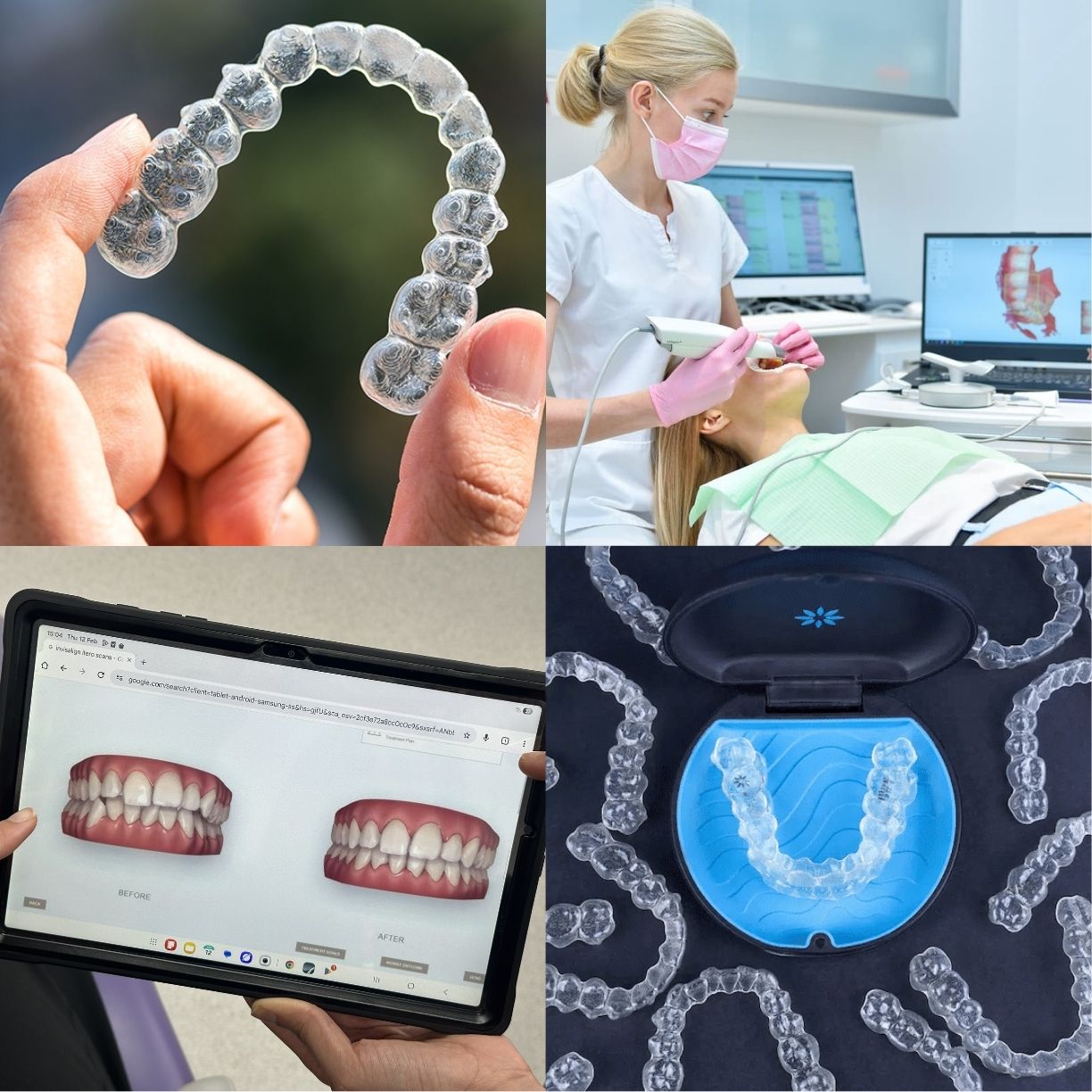
Invisalign is not simply a plastic tray; it is a sophisticated medical system.
The Ideal Invisalign Candidate: Losge Causeway Dental Checklist
According to numerous studies, including those published in peer-reviewed journals like the American Journal of Orthodontics and Dentofacial Orthopedics, clear aligner therapy has demonstrated high efficacy and predictability in treating the following conditions.
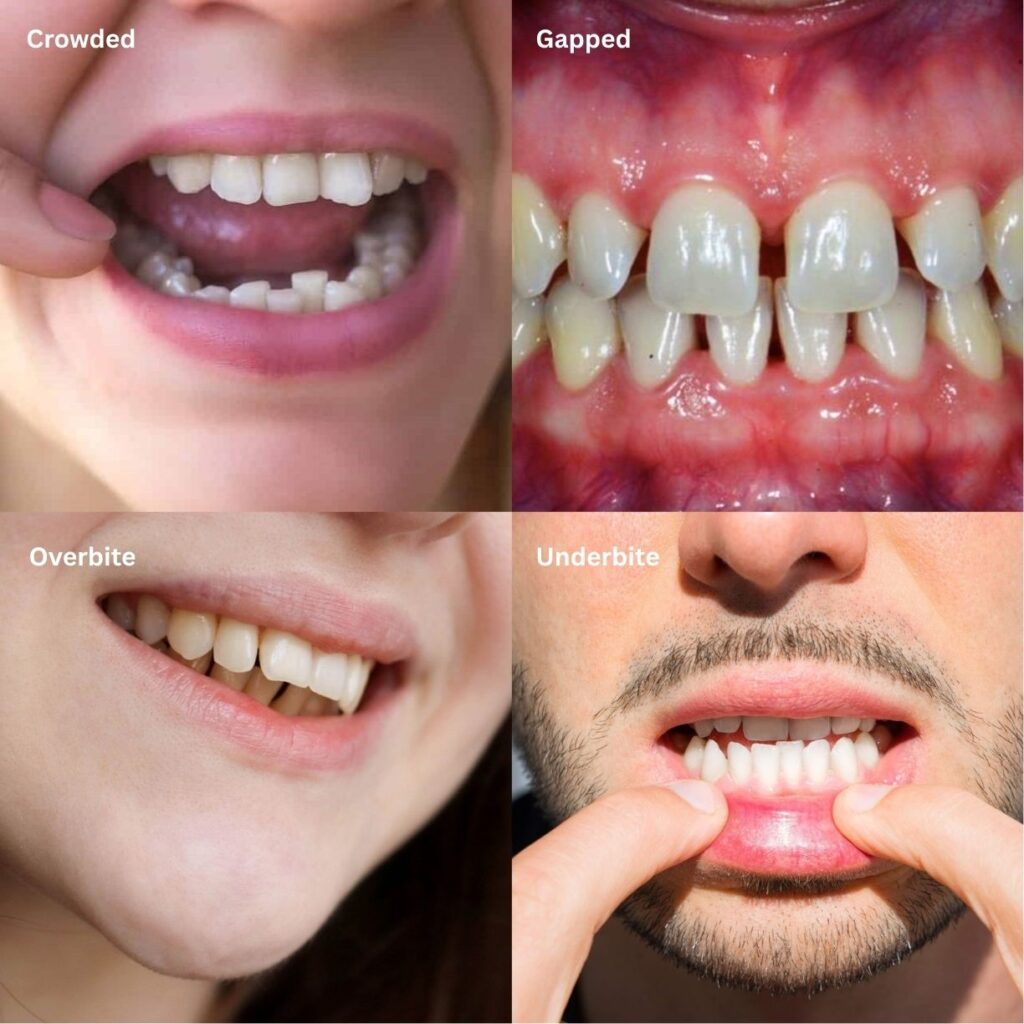
- Mild to Moderate Crowded Teeth: When there isn’t enough room in your jaw for all of your teeth to fit normally, they can bunch up, overlap, and twist. Invisalign is highly effective at resolving mild to moderate crowding by creating space and aligning the teeth.
- Gapped Teeth (Diastema): Unwanted gaps between teeth can occur due to genetics or jawbone growth. Invisalign excels at closing these spaces by controllably moving teeth together to achieve a uniform, gap-free smile.
- Overbite (Overjet): This occurs when the upper front teeth bite over the lower front teeth. Invisalign, often with the use of attachments and elastics, can effectively correct many cases of overbite.
- Underbite: The opposite of an overbite, where the lower teeth protrude past the front teeth. Mild to moderate cases can be successfully treated with Invisalign.
- Crossbite: When some of the upper teeth sit inside the lower teeth when you close your mouth. Invisalign can be used to move teeth into their correct positions, correcting the crossbite and preventing future wear and tear.
- Open Bite: This is a condition where the upper and lower teeth don’t make contact when the mouth is closed, which can affect chewing and speech. Invisalign is a viable option for closing mild open bites.
When Might an Alternative Treatment Be Recommended?
Transparency and clinical integrity are paramount at Lodge Causeway Dental Centre. While Invisalign’s technology is constantly advancing, there are certain complex orthodontic situations where traditional fixed braces may be the more predictable or effective primary treatment.
Severe Skeletal Discrepancies
When the misalignment is not just about tooth position but is rooted in a significant size or position discrepancy of the jawbones themselves, Invisalign alone may not be sufficient. These cases often require a combination of orthodontics and orthognathic (jaw) surgery.
Complex Extractions & Significant Tooth Rotations
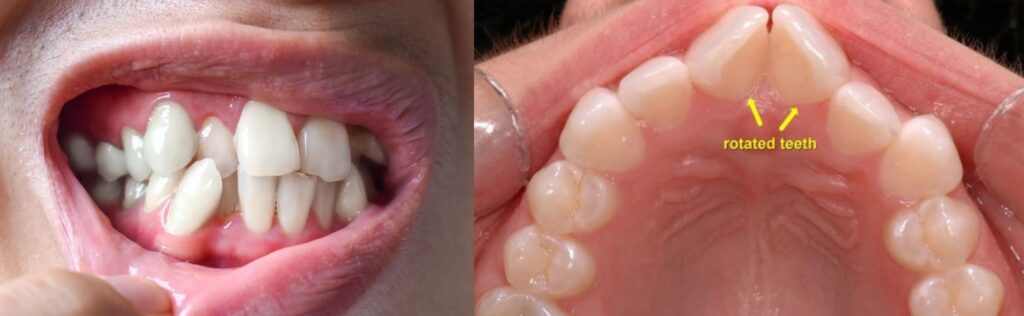
Cases requiring the extraction of multiple teeth to create space, or those involving severely rotated teeth (especially canines and premolars), can sometimes be managed more efficiently with the precise control offered by fixed braces. The brackets and wires of traditional braces provide a level of torque and root control that can be advantageous in these complex scenarios.
The Absolute Need for a Professional Assessment
It is crucial to understand that self-diagnosis is not possible. The only way to know for certain if you are a candidate is through a comprehensive consultation with an experienced Invisalign provider. A detailed examination at our clinic serving the Invisalign Fishponds and greater Bristol area will involve a clinical assessment, digital scanning, and potentially X-rays to determine the most effective treatment path for your unique dental anatomy.
The Patient Factor: Are You the Right Candidate?
Beyond the clinical diagnosis, the success of Invisalign treatment for you in Fishponds is heavily dependent on patient compliance.
The Invisalign Process: Your Journey in Bristol
If you are deemed a good candidate, here is a step-by-step overview of what you can expect from your treatment journey with a provider of Invisalign in Lodge Causeway.
Step 1: Your Initial Consultation
his is where we discuss your goals, perform a thorough dental examination, and take a 3D iTero digital scan of your teeth. We can show you a simulation of your potential new smile on the spot.
Step 2: The Custom Treatment Plan
We use your scan to design a precise, phase-by-phase digital treatment plan. You’ll approve this plan before any aligners are manufactured.
Step 3: Receiving Your Aligners
Once your custom aligners are ready, you’ll have an appointment to ensure the first set fits perfectly. We will explain how to wear and care for them and may place small, tooth-coloured “attachments” on certain teeth to help the aligners grip and move them effectively.
Step 4:Progress Check-ups
You’ll have periodic appointments every 6-8 weeks to monitor your progress and receive your next sets of aligners.
Step 5: Your New Smile & Retention
After you’ve worn your last set of aligners, the treatment is complete. To protect your investment and prevent your teeth from shifting back, you will be prescribed a retainer (like a Vivera® retainer), which you will need to wear as directed, usually at night.
Comparing Your Options: Invisalign vs. Traditional Braces
To help your decision-making process, here is a direct comparison of the key features of Invisalign and traditional fixed braces.
| Feature | Invisalign Clear Aligners | Traditional Metal/Ceramic Braces |
|---|---|---|
| Aesthetics | Virtually invisible, highly discreet. | Visible metal or ceramic brackets and wires. |
| Comfort | Smooth plastic, no sharp edges. Minimal irritation. | Can cause irritation to cheeks and lips. |
| Diet | No restrictions. Aligners are removed for eating. | Dietary restrictions are necessary (avoid hard, sticky foods). |
| Oral Hygiene | Easy. Remove aligners to brush and floss normally. | More challenging. Requires special tools to clean around brackets. |
| Appointments | Fewer, shorter appointments for progress checks. | More frequent appointments for adjustments and wire changes. |
| Predictability | Highly predictable for indicated cases. Digital preview. | Highly predictable for all case types, including complex ones. |
| Responsibility | High patient compliance required for success. | Less reliance on patient compliance as they are fixed to teeth. |
Frequently Asked Questions (FAQ)
Your Next Step: The Definitive Answer
Ultimately, the question “Is Invisalign right for me?” can only be answered with a professional, personalised consultation. Invisalign is an incredibly powerful and effective orthodontic tool for a wide range of patients, offering a path to a healthier, more confident smile with minimal disruption to your lifestyle.
If you are considering orthodontic treatment, the most important decision you can make is to seek expert advice.
Ready to discover if you are a candidate for a smile transformation? Schedule your no-obligation Invisalign consultation today. Our team is proud to serve patients across Bristol, including the Fishponds and Lodge Causeway communities, providing world-class care with a local touch.