Invisalign Before and After: Bristol Smile Transformations
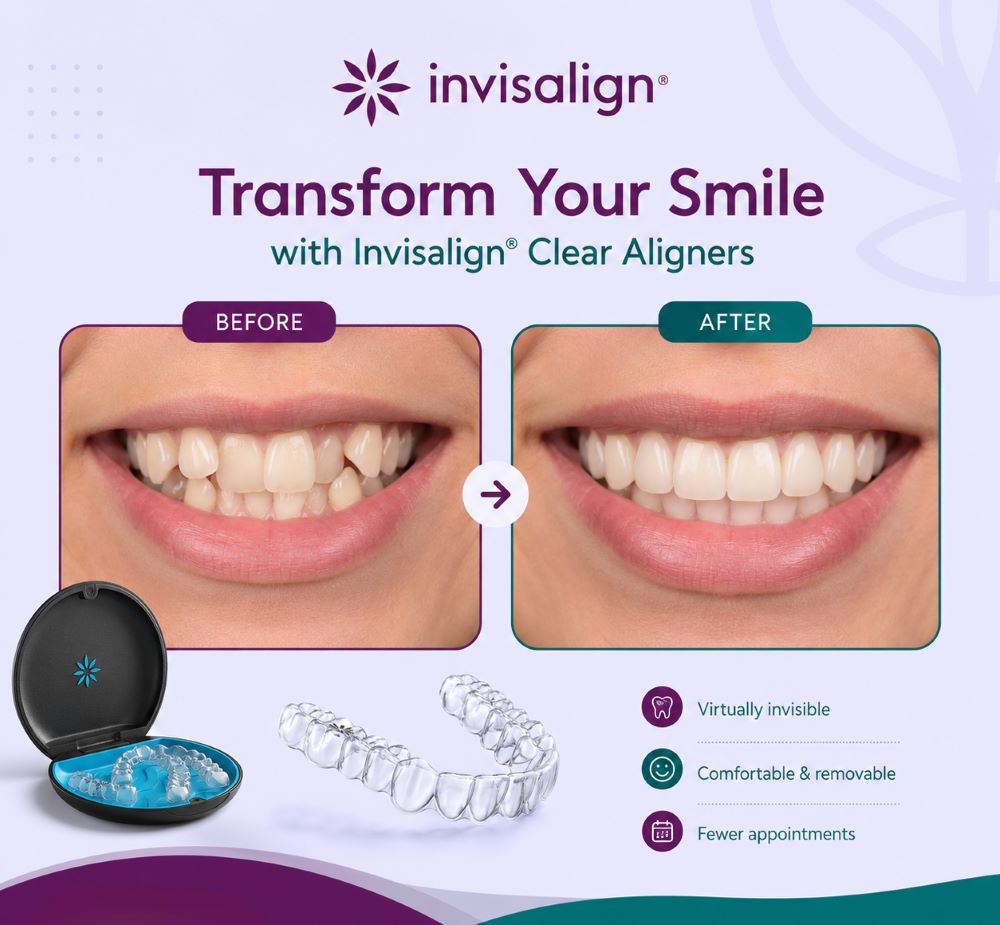
Real Invisalign before-and-after images can help you understand the types of tooth movement and bite correction that clear aligners may achieve.
In this visual guide from Lodge Causeway Dental Centre, we explain how Invisalign may improve crowding, rotations, spacing, overbites and crossbites, with clear examples that make the treatment process easier to understand.
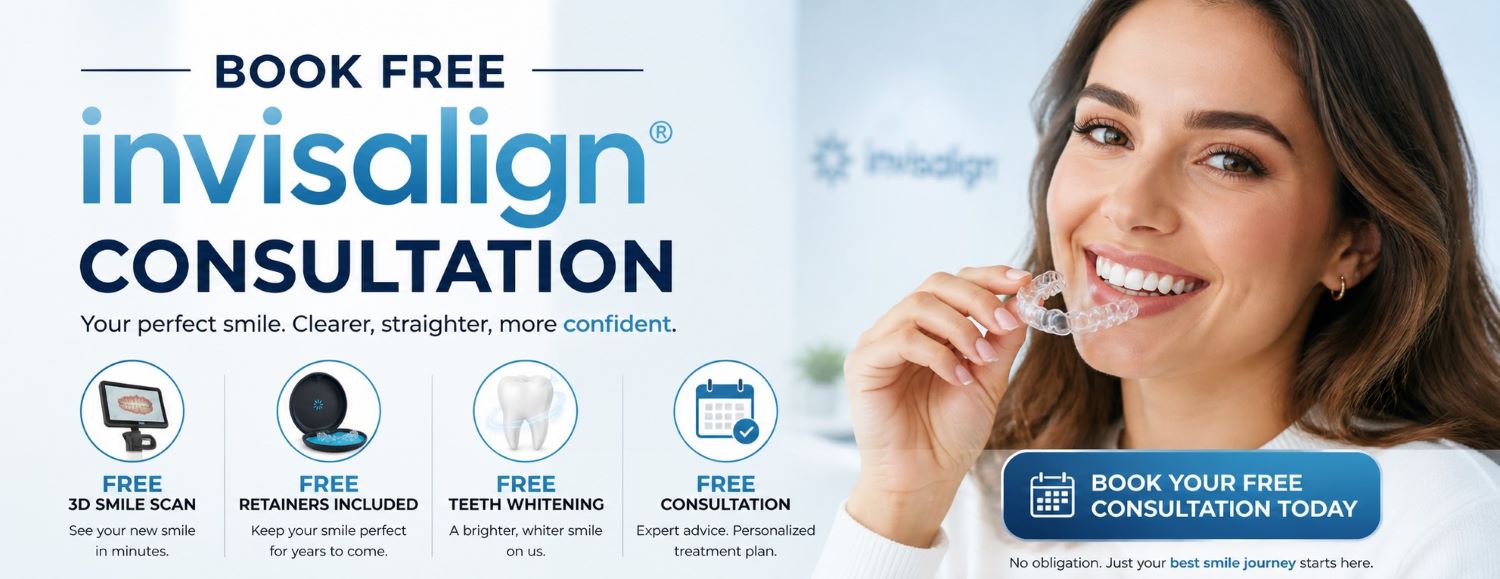
Considering Invisalign in Bristol ? Explore your treatment options or arrange a free consultation and 3D smile scan for advice tailored to your teeth, bite and smile goals.
Overcrowding Invisalign Before and After Images
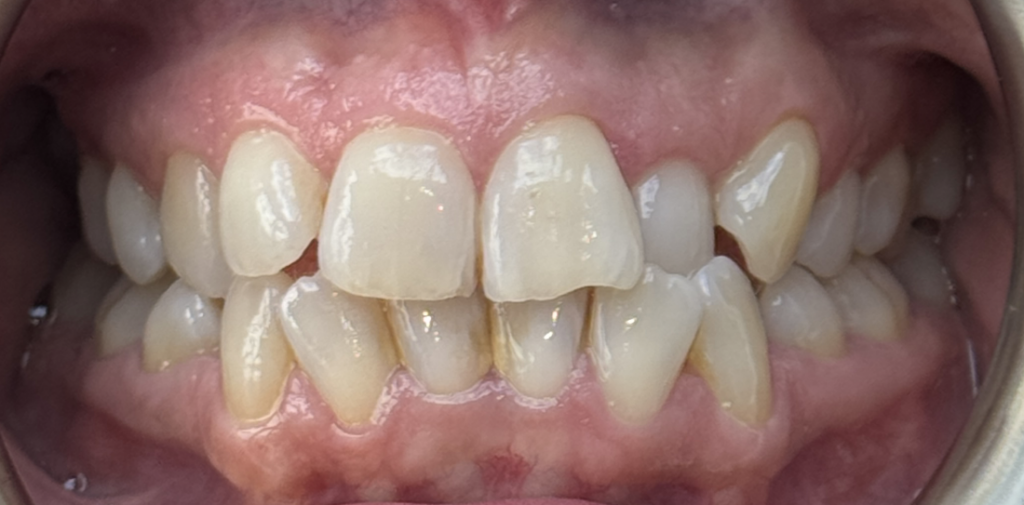
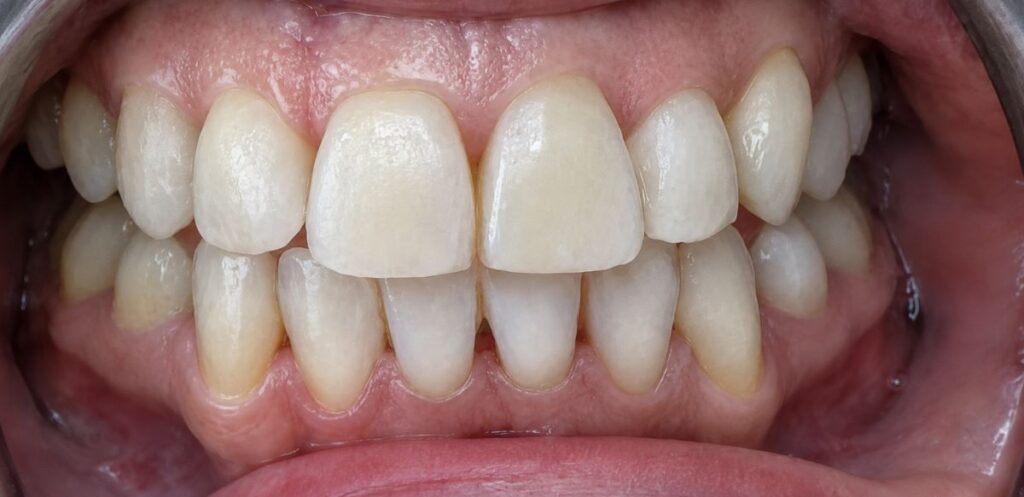
Dental crowding happens when there is not enough space for teeth to align correctly, causing overlapping, rotation or teeth sitting outside the natural arch. See how Invisalign can create a straighter, broader and more balanced smile.
 Before
 After
After
Upper and Lower Crowding Transformation
Invisalign- Problem
- ❌Marked crowding and rotations in the upper and lower teeth
❌Displaced canines sitting unevenly within the arches
❌Significant overlap affecting front-tooth alignment. - Result
- ✅Substantial improvement in upper and lower tooth alignment
✅Canines positioned more evenly alongside neighbouring teeth
✅Reduced overlap with a more balanced overall smile.
 Before
 After
After
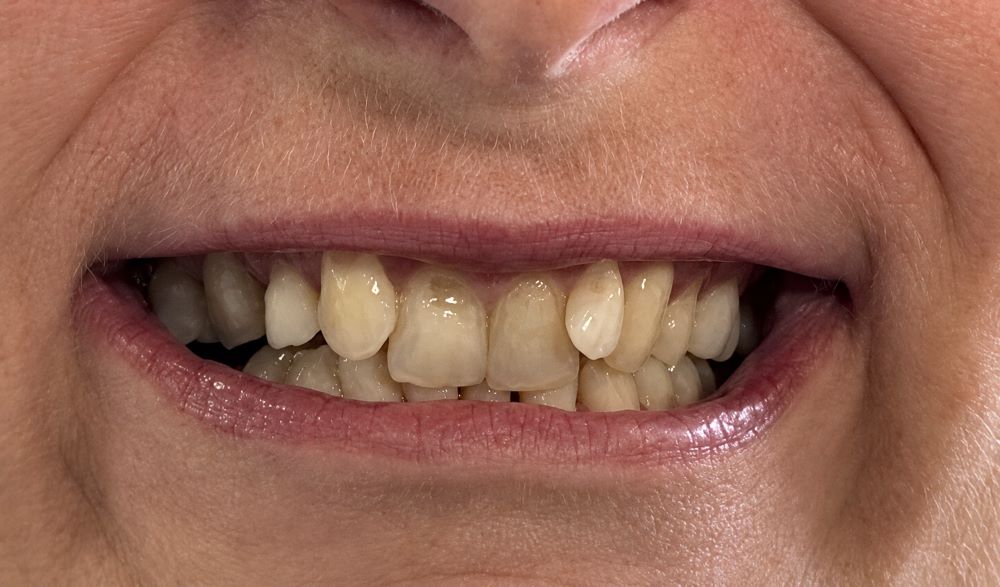
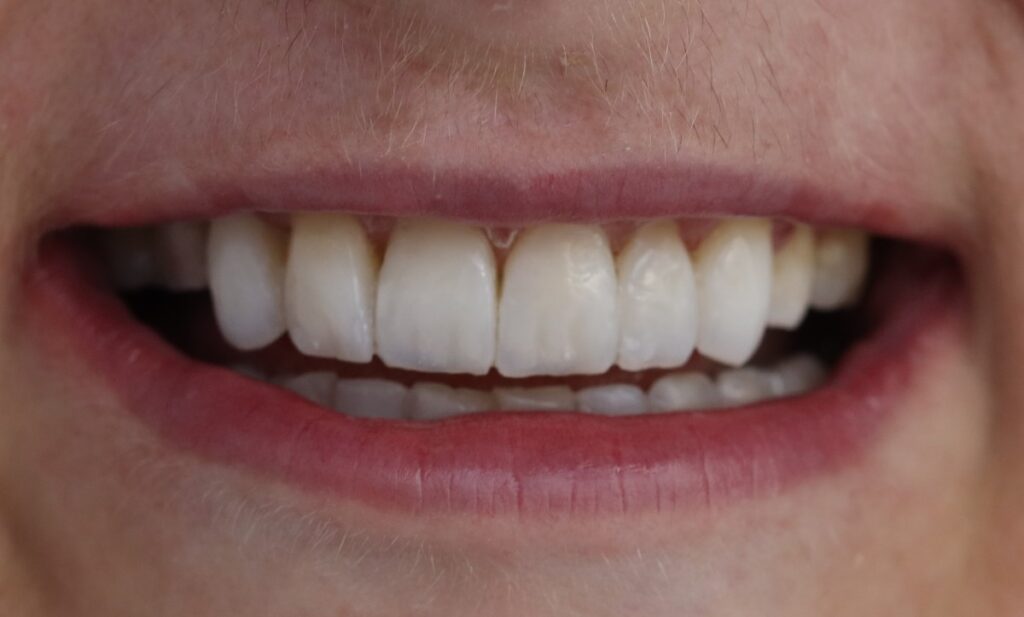
From Overlapping to a More Even Smile
Invisalign- Problem
- ❌Noticeable crowding and overlapping upper front teeth
❌Some upper front teeth positioned forward of neighbouring teeth
❌Uneven tooth positioning disrupting the upper smile line. - Result
- ✅Visible reduction in upper front-tooth crowding and overlap
✅Upper front teeth positioned more evenly alongside one another
✅More continuous and balanced upper smile appearance.
 Before
 After
After
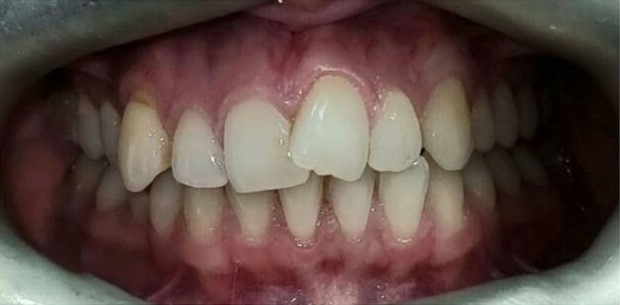
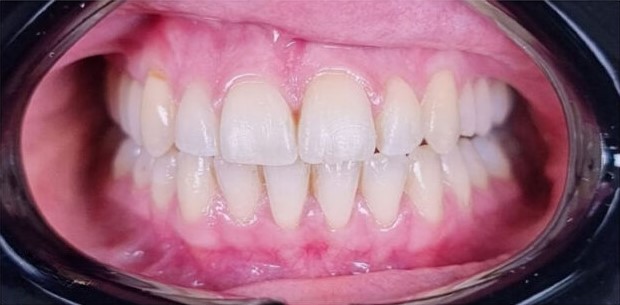
Crowded Front Teeth to a More Even Smile
Invisalign- Problem
- ❌Crowding and uneven positioning of the upper front teeth
❌Prominent, rotated upper central incisor
❌Front-tooth overlap disrupting the continuity of the smile. - Result
- ✅Upper front teeth aligned more evenly
✅Previously prominent central incisor positioned more harmoniously
✅Reduced overlap with a smoother, more balanced smile line.
How Invisalign Aligners Treat Crowded Teeth
Invisalign treatment creates space and guides crowded teeth into improved positions through a carefully planned series of small, controlled movements.
Controlled Tooth Movement
Each aligner applies gentle pressure to selected teeth. As treatment progresses, overlapping and rotated teeth are gradually guided into planned positions.
Creating Space Where Needed
Depending on the case, treatment may include planned arch development or interproximal reduction, where a very small amount of enamel is polished between selected teeth.
What can change? Invisalign crowding before-and-after images may show reduced overlap, improved tooth alignment and a broader, more balanced-looking smile. Results depend on the severity of crowding, bite and oral health.
Could Invisalign Help Your Crowded Teeth?
Arrange a free consultation and 3D smile scan at Lodge Causeway Dental Centre for a personalised assessment.
Invisalign Overbite (overjet) and Open Bite Before & After
An overbite or Overjet occurs when the upper front teeth excessively overlap the lower teeth, while an open bite leaves a visible gap when the back teeth are together. These Invisalign before-and-after examples show how personalised clear-aligner treatment may improve vertical tooth alignment, bite balance and smile appearance.
 Before
 After
After
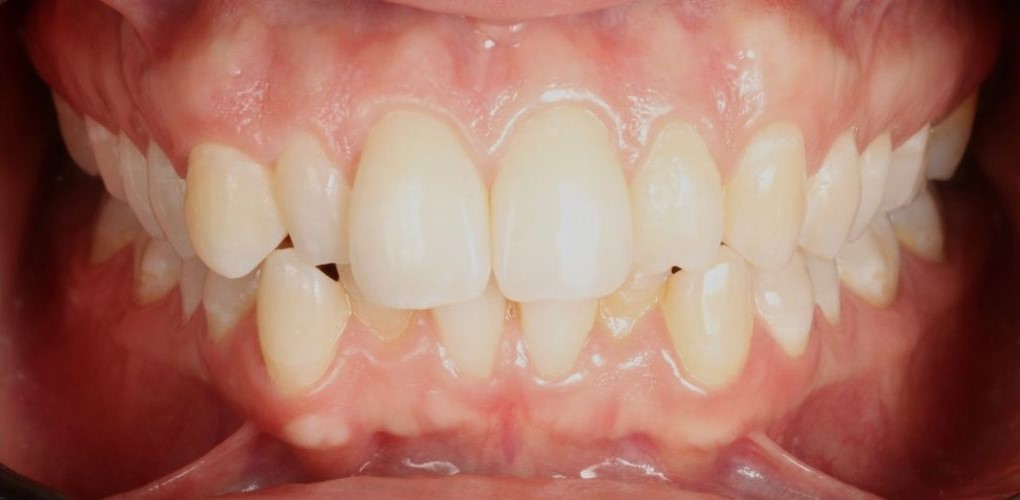
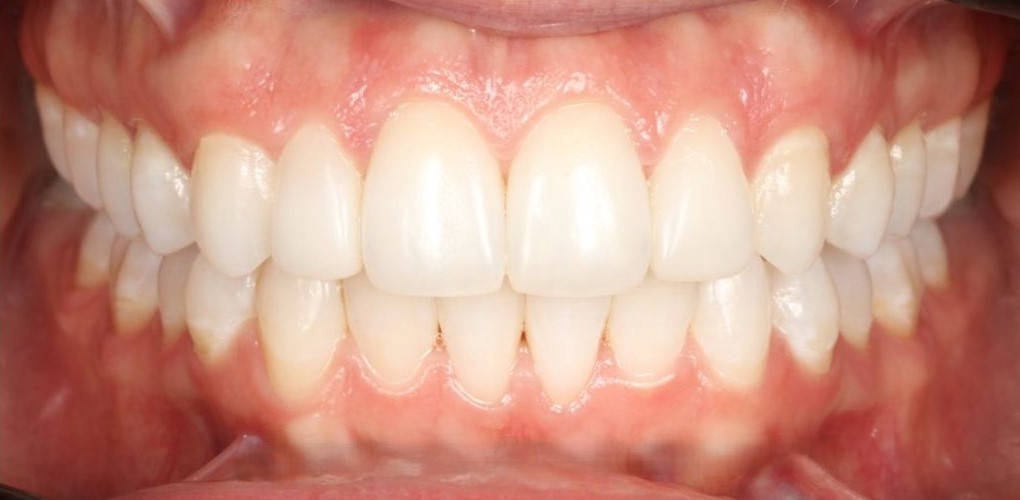
- Problem
- Deep overbite with uneven front-tooth alignment and crowding, causing the upper teeth to cover the lower teeth excessively.
- Result
- Invisalign improved the overbite, alignment and bite balance, creating a straighter, more even smile.
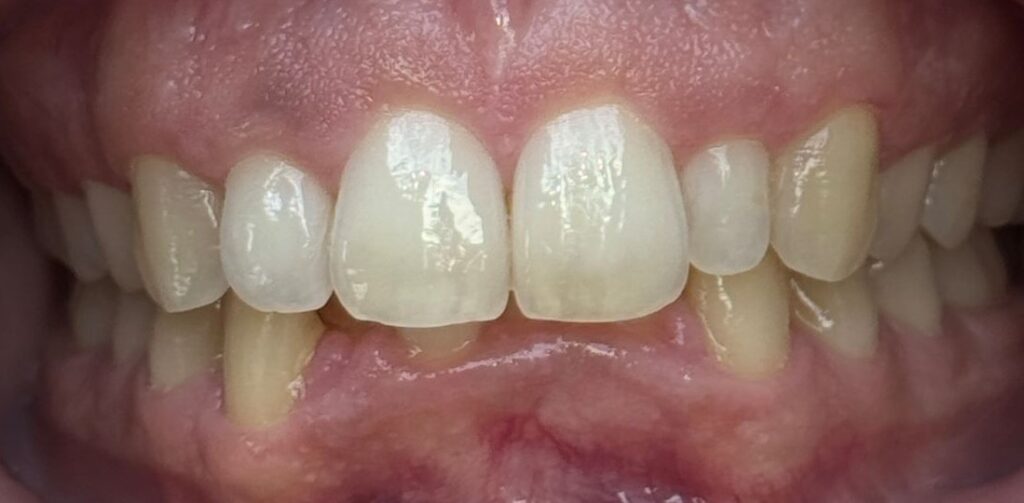 Before
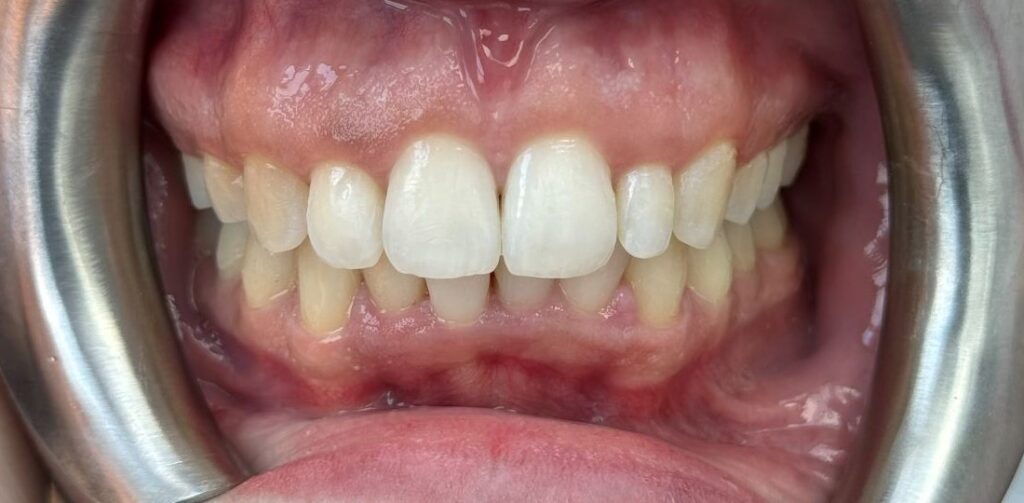 After
After
- Problem
- Anterior open bite with reduced contact between the upper and lower front teeth, plus mild irregular anterior alignment affecting bite balance.
- Result
- Invisalign improved anterior bite closure, bringing the front teeth into a more stable relationship with better overlap, alignment and overall bite coordination.
How Invisalign Can Improve Overbite & Openbite
Invisalign uses a planned sequence of controlled tooth movements to adjust the vertical relationship between the upper and lower teeth. Depending on the diagnosis, treatment may involve repositioning or intruding selected teeth, bringing front teeth into improved contact, coordinating the dental arches, and using attachments or elastics for additional control. The achievable result depends on whether the bite problem is primarily dental or skeletal and on its severity.
Planned Tooth Movement
Aligners may upright or retract projecting upper incisors and improve how the upper and lower teeth meet.
Bite-Correction Features
Precision cuts and elastics may help coordinate the bite. Selected growing patients may also benefit from mandibular-advancement features.
Potential result: Less projection of the upper front teeth, improved vertical overlap and a more balanced-looking smile. Facial-profile changes depend on the individual diagnosis.
Could Invisalign Improve Your Bite?
Book a free consultation and 3D smile scan for an assessment tailored to your teeth, bite and smile goals.
Invisalign for Gaps: Before and After
Gaps can occur between the front teeth or elsewhere in the smile. In suitable cases, Invisalign clear aligners gradually move teeth to reduce unwanted spacing and improve alignment. Explore before-and-after examples of gap closure, with treatment planned around each patient’s teeth and bite.
Smile transformations
Front-Tooth Gap Closure Before and After in Bristol
Explore gap-closure results at Lodge Causeway Dental Centre in Bristol. Drag the slider across each case to compare the spacing and appearance of the front teeth before and after treatment.
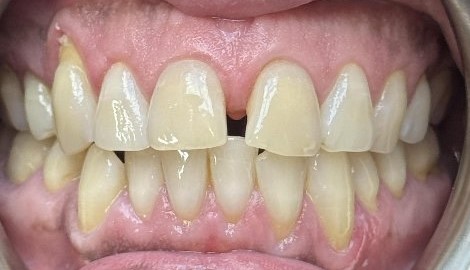 Before
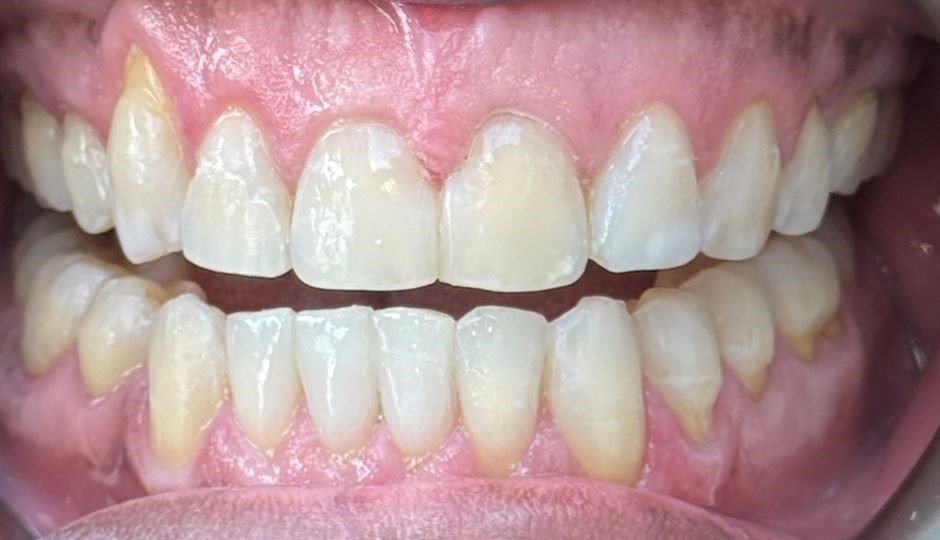 After
After
Closing the Gap for a More Even Smile
Invisalign- Problem
- ❌Noticeable gap between the upper central incisors
❌Uneven positioning of the lower front teeth
❌Spacing interrupting the continuity of the upper smile. - Result
- ✅Visible gap between the upper central incisors closed
✅Lower front teeth appear more evenly aligned
✅More continuous and balanced appearance across the front teeth.
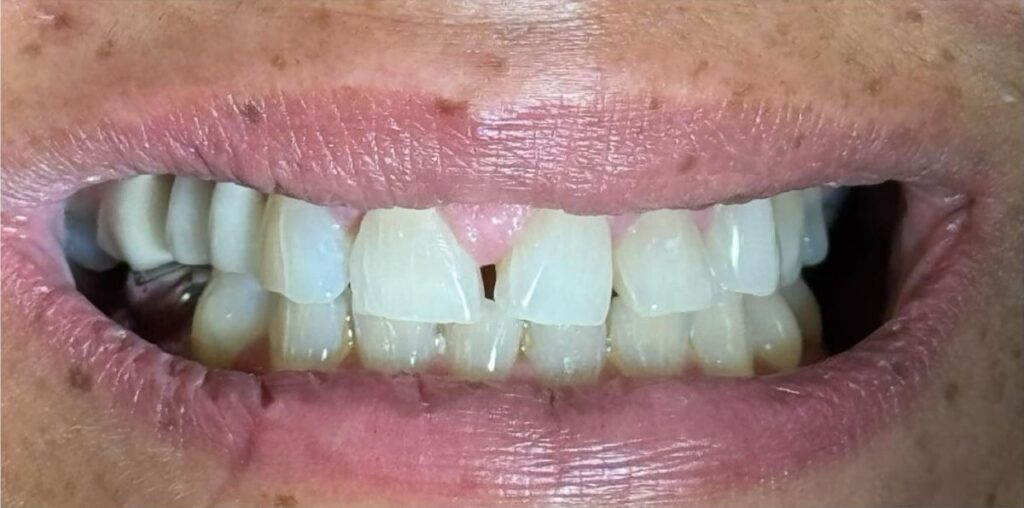 Before
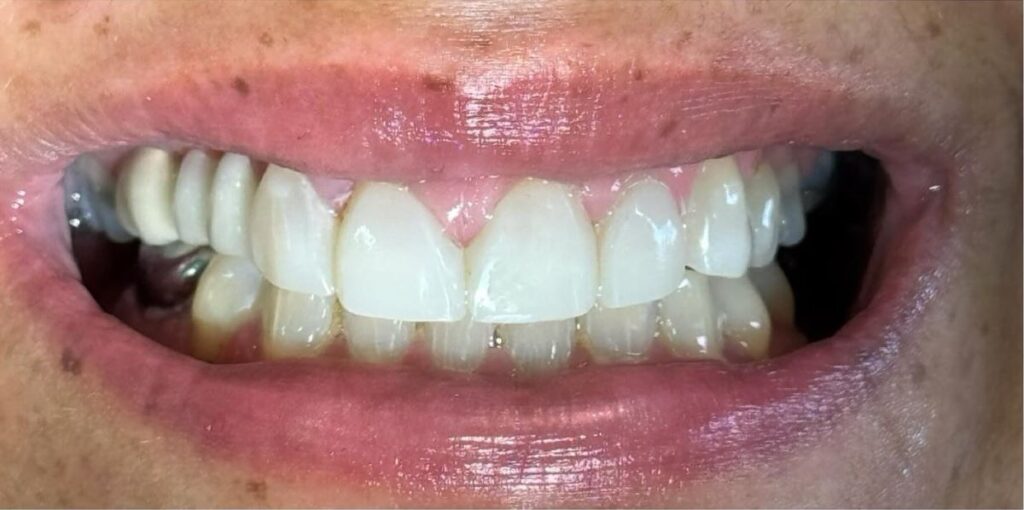 After
After
A Small Gap, a More Connected Smile
Gap closure- Problem
- ❌Visible space between the two upper central incisors
❌Uneven angulation of the upper central incisors
❌Central gap interrupting the appearance of the upper front teeth. - Result
- ✅Visible space between the upper central incisors closed
✅More even appearance across the central front-tooth contours
✅Improved continuity through the centre of the smile.
How Invisalign Closes Gaps Between Teeth
In suitable cases, Invisalign can close gaps by moving teeth into carefully planned positions. Your dentist first checks the cause of the spacing, gum health and bite to decide whether clear aligners are suitable.
Planning the Right Tooth Positions
A dental assessment and 3D scan help plan where space should be closed or redistributed. Tooth size, tooth position and the way your teeth meet are considered, so treatment is planned around the whole smile.
Closing Spaces in Planned Stages
Each set of custom-made aligners moves selected teeth a small amount towards their planned positions. Wearing them as prescribed and attending progress reviews helps your dentist monitor gap closure and the way your teeth fit together.
Potential result: Reduced spacing and more even tooth positions, creating a more balanced-looking smile. The achievable result depends on your individual teeth and bite.
Could Invisalign Close the Gaps in Your Smile?
Book a free consultation and 3D smile scan at Lodge Causeway Dental Centre to explore suitable options for your teeth, bite and smile goals.
Invisalign Before and After for Rotated Teeth
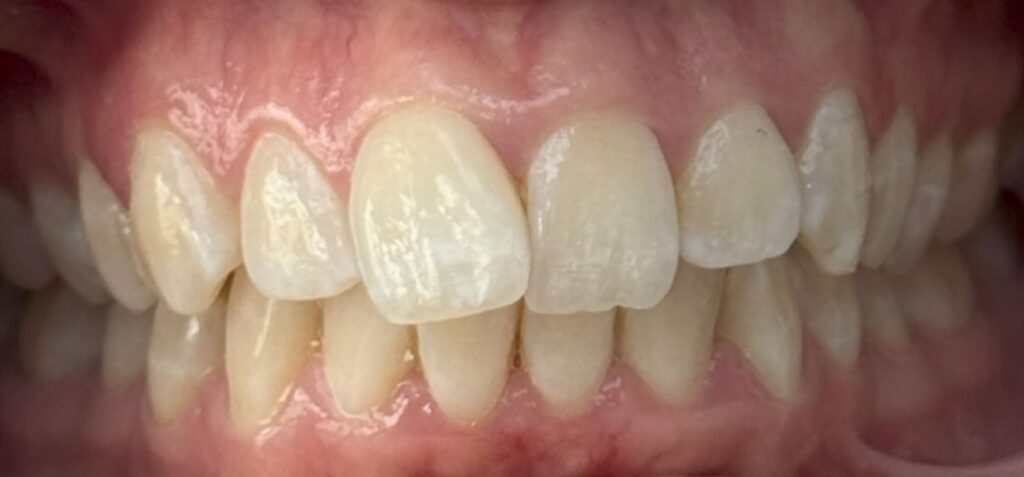
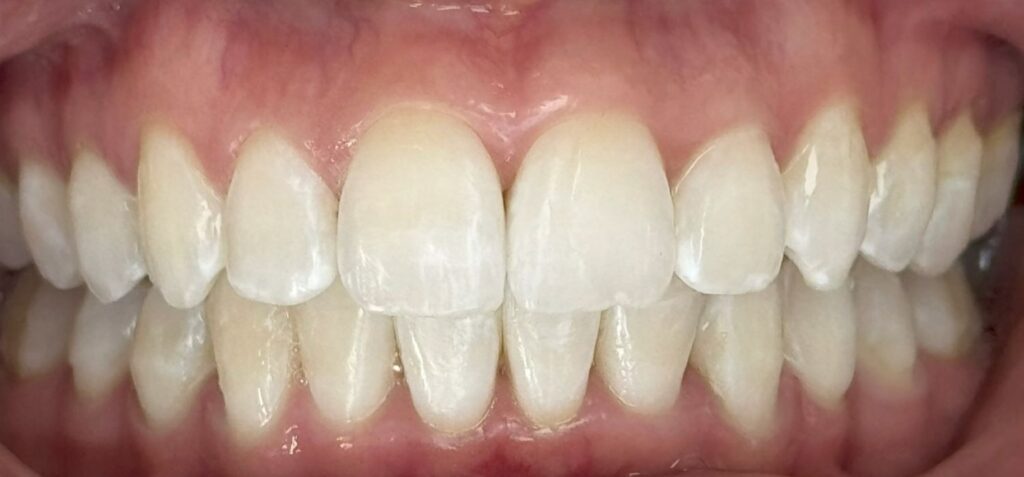
A rotated tooth has turned around its natural axis and may overlap the neighbouring teeth. These Invisalign before-and-after examples show how suitable rotations can be gradually corrected to improve alignment and create a more even-looking smile.
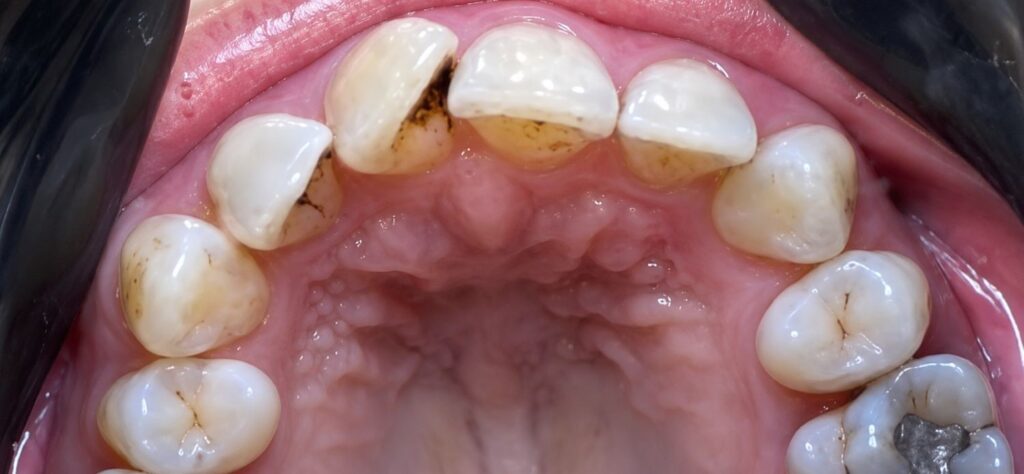 Before
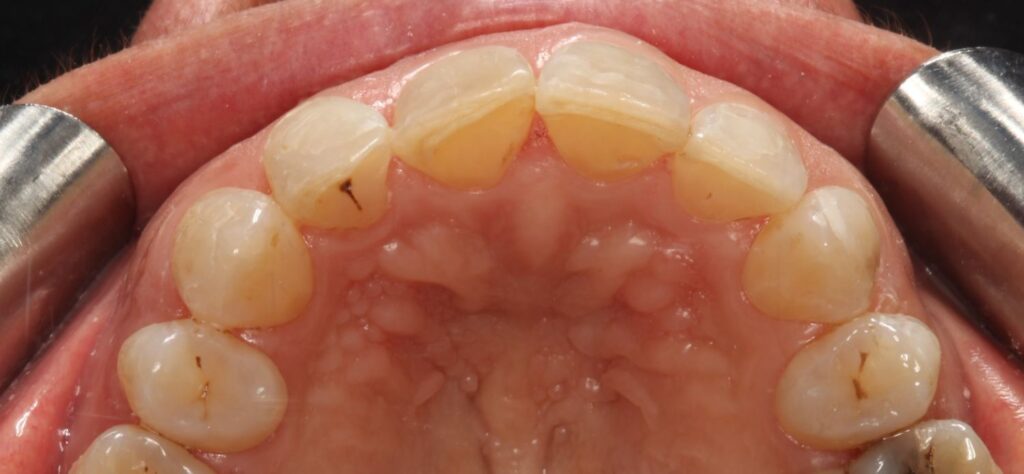 After
After
- Problem
- ❌Upper anterior crowding with significant rotations
❌ displacement, especially around the lateral/canine area
❌irregular arch form and overlapping front teeth. - Result
- ✅Invisalign aligned the upper arch
✅corrected rotations, reduced anterior crowding
✅created a smoother, more even Smile & arch form
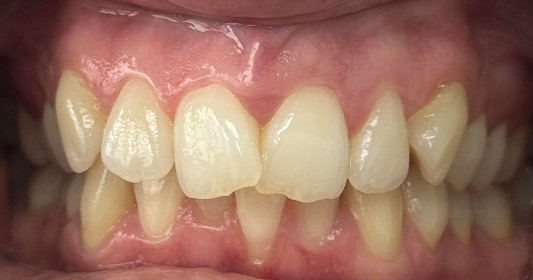 Before
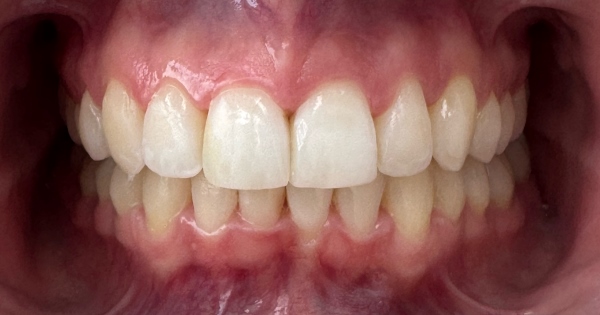 After
After
A Straighter, Brighter Smile
Invisalign and Pola whitening- Problem
- ❌Overlapping and rotated upper front teeth
❌Crowding and uneven positioning of the lower front teeth
❌Yellow-toned tooth shade affecting overall smile brightness. - Result
- ✅Upper front teeth aligned more evenly with reduced overlap
✅Lower front-tooth crowding visibly improved
✅Brighter tooth appearance following whitening, complementing the improved alignment.
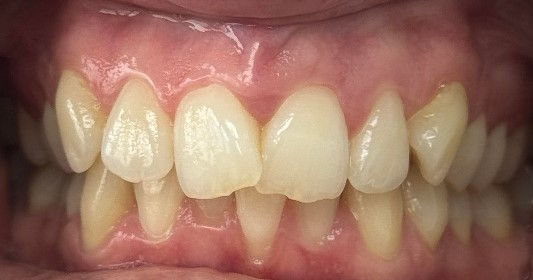 Before
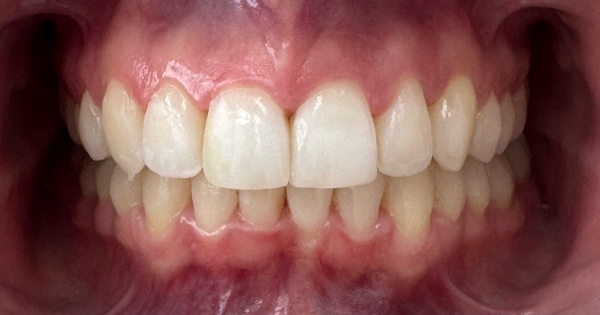 After
After
- Problem
- ❌ Visible crowding and uneven alignment across the front teeth
❌ Rotated teeth affecting the overall smile balance
❌ A darker tooth shade before whitening - Result
- ✅ Straighter front tooth alignment
✅ Reduced crowding and rotations
✅ Brighter, fresher tooth shade
✅ Smoother, more even tooth edges
✅ A natural-looking smile transformation
 Before
 After
After
Crowded, Rotated Teeth Aligned
- Problem
- Noticeable crowding and rotations affecting the upper and lower front teeth, with irregular positioning of the upper incisors/laterals and uneven arch alignment.
- Result
- Invisalign improved the overall alignment of both arches, reducing crowding and rotations. The upper front teeth now appear straighter and more evenly positioned
How Invisalign Straightens Rotated Teeth
Clear aligners derotate teeth through a planned sequence of small, controlled movements. Adequate space and secure aligner engagement are important for guiding the tooth into its intended position.
Creating Space to Rotate
Neighbouring teeth may be repositioned, the arch coordinated or a small amount of interproximal reduction used where appropriate to provide room for controlled derotation.
Staged Rotational Control
Each aligner delivers a small planned rotation. Tooth-coloured attachments may improve aligner grip and help control teeth with rounded crowns or more challenging rotations.
Potential result: A tooth that sits more squarely within the dental arch, with reduced overlap, improved alignment and a more even-looking smile.
Could Invisalign Straighten Your Rotated Teeth?
Book a free consultation and 3D smile scan at Lodge Causeway Dental Centre for advice tailored to your tooth positions, bite and smile goals.
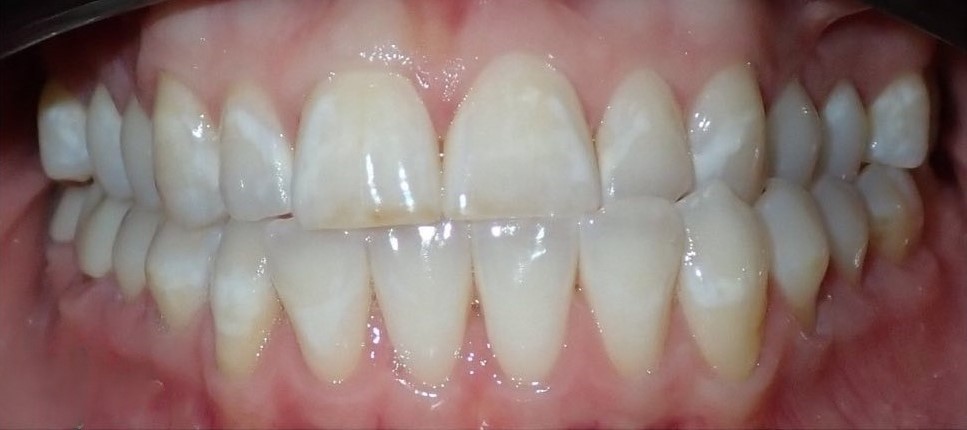
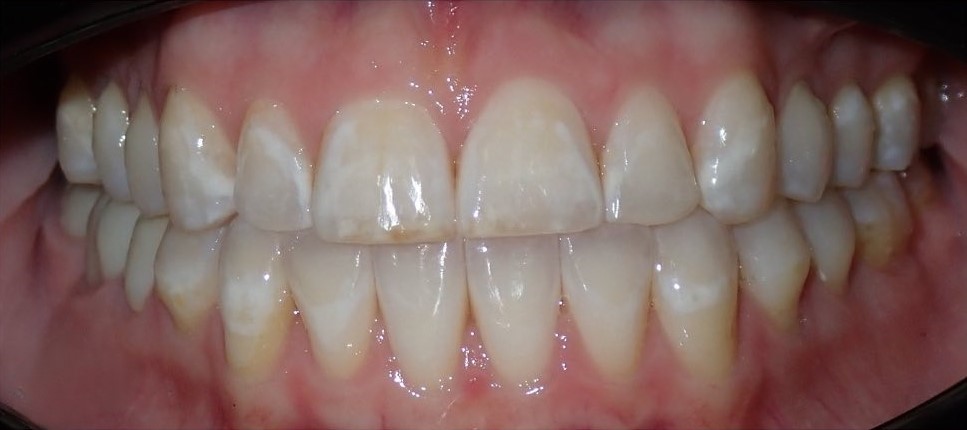
Underbite & Crossbite Before and After Images
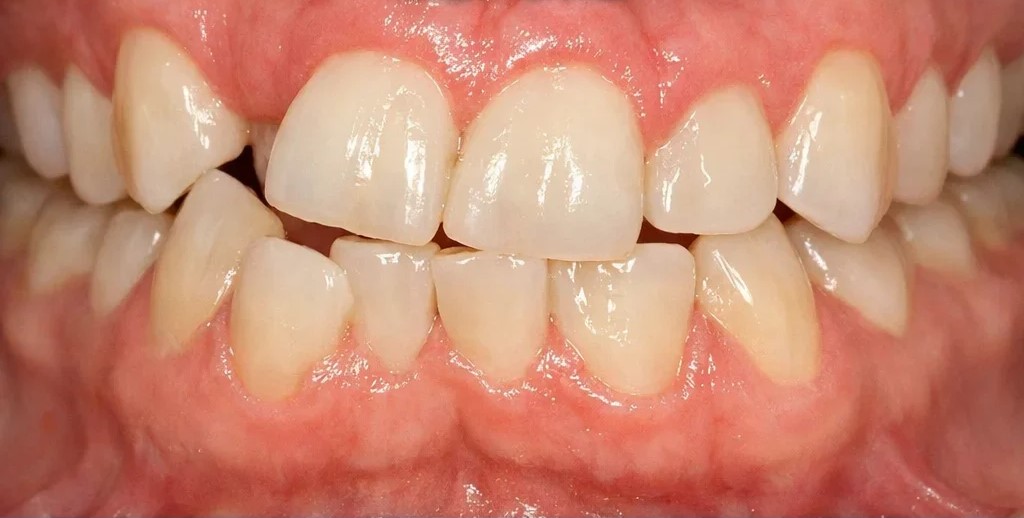
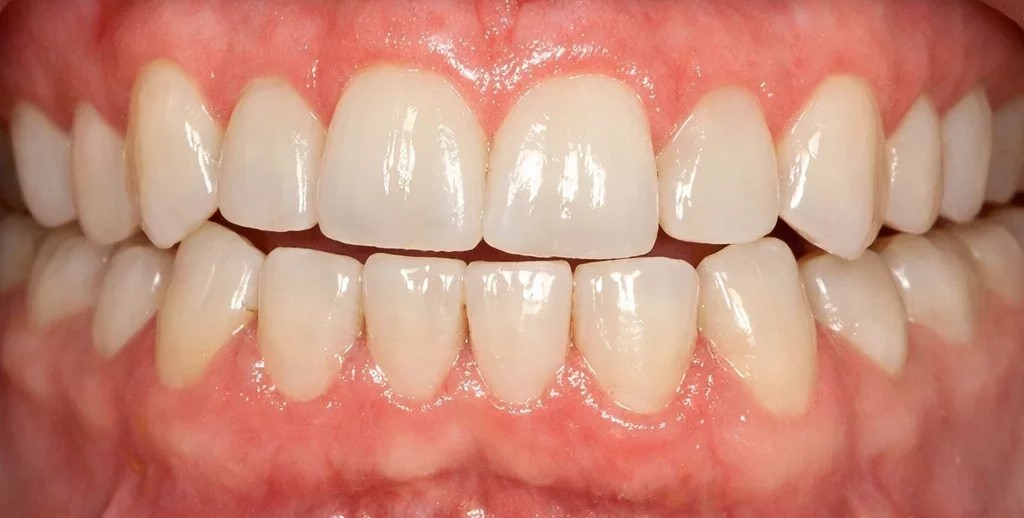
An underbite occurs when the lower front teeth sit ahead of the upper teeth, creating a reverse overjet. A crossbite occurs when one or more upper teeth bite inside the lower teeth and may affect the front, back or both sides of the mouth. These Invisalign before-and-after examples show how suitable cases may achieve improved tooth alignment and a more balanced bite.
 Before
 After
After
 Before
 After
After
Invisalign Transformation of Crowded Bottom Teeth
Lower-front crowding occurs when there is insufficient room for the bottom teeth to align correctly, causing overlapping, rotation or teeth sitting behind the dental arch. See how Invisalign may create a straighter and more balanced lower smile line.
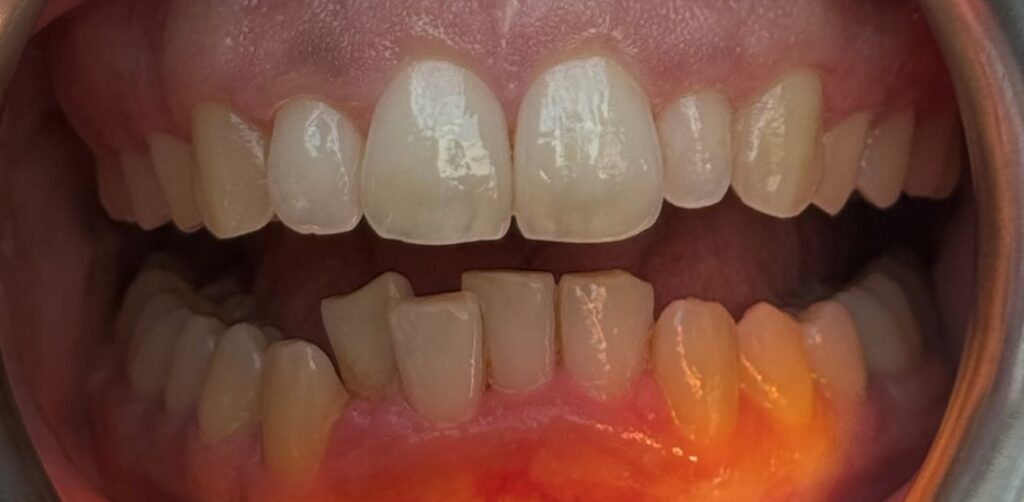 Before
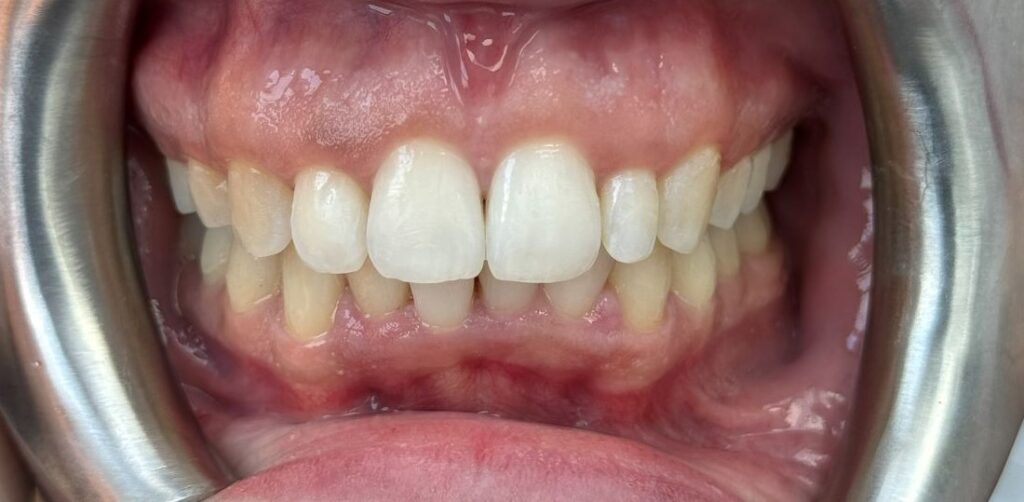 After
After
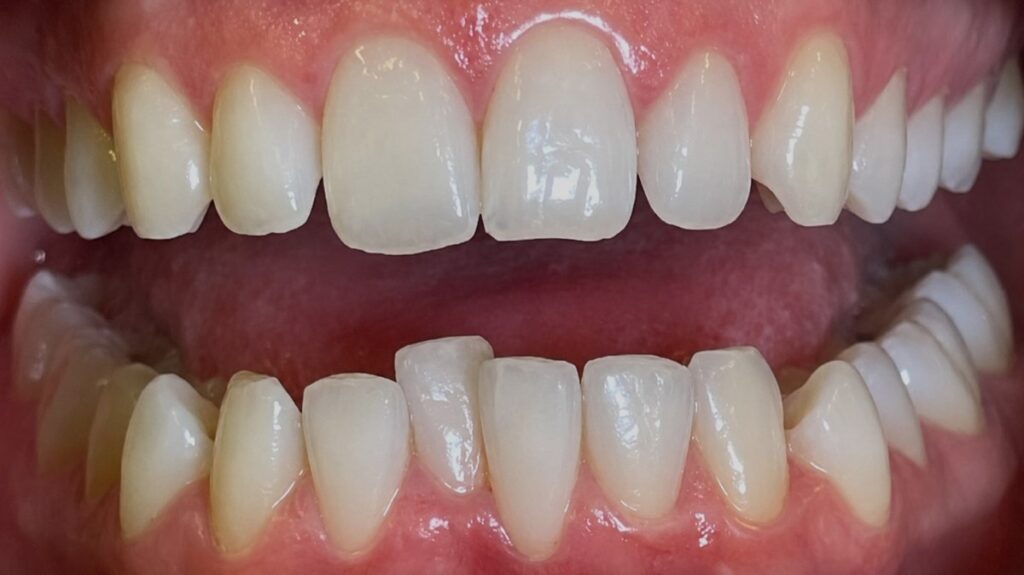
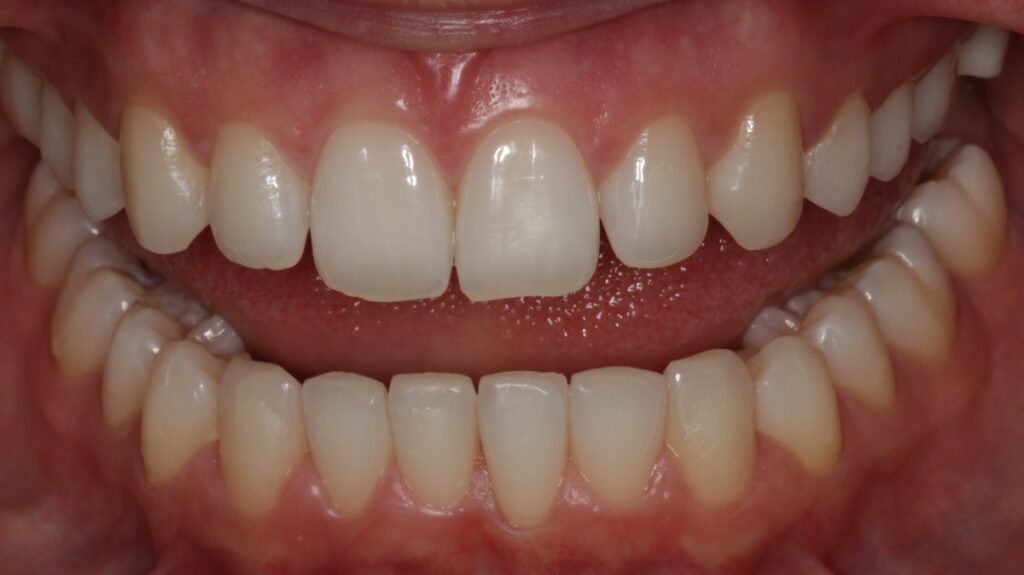
Open bite and crowding correction
- Problem
- Anterior open bite with lower front crowding and irregular alignment, leaving a visible gap between the upper and lower front teeth
- Result
- Treatment closed the anterior open bite, improved front-tooth alignment and relieved crowding, creating a more even smile and better bite balance.
 Before
 After
After
How Invisalign Straightens Crowded Bottom Teeth
Lower crowding is usually treated by creating controlled space and then guiding the lower front teeth into more even positions within the arch. The best approach depends on the amount of crowding, tooth shape and bite.
Creating Space in the Lower Arch
Depending on the case, space may be created by carefully repositioning neighbouring teeth, coordinating the arch form or using interproximal reduction, where a very small amount of enamel is polished between selected teeth.
Guiding Teeth Into Alignment
Each aligner moves the lower teeth in small planned stages. Tooth-coloured attachments may help improve grip and control, especially when lower incisors are rotated or overlapping.
Potential result: Lower front teeth that sit more evenly in line, with less overlap, easier cleaning access and a more balanced-looking smile.
Could Invisalign Straighten Your Bottom Teeth?
Book a free consultation and 3D smile scan at Lodge Causeway Dental Centre for advice tailored to your lower arch, bite and smile goals.
Summary of Invisalign Smile Transformation Capabilities
A practical overview of the alignment and bite concerns reviewed in this guide, including how Invisalign may approach each condition and the factors that can influence treatment complexity.
| Dental situation | How Invisalign may help | Typical suitability | Indicative active-treatment range* |
|---|---|---|---|
| Mild to Moderate Crowding Upper or lower arch | Creates and redistributes space through staged alignment, dental arch coordination and, where appropriate, interproximal reduction to reduce overlapping and rotations. | Often suitable Mild-to-moderate non-extraction cases are generally more predictable than severe crowding. | 6–18 months Longer when several movements or bite corrections are required. |
| Crowded Bottom Teeth Lower-front alignment or relapse | Creates controlled space before aligning overlapping or rotated lower incisors. Retainers are particularly important for maintaining the result. | Often suitable Limited relapse with a stable bite may require a simpler plan than broader lower-arch crowding. | 3–9 months For limited relapse; broader correction may take 6–18 months. |
| Rotated Teeth Tooth turned around its axis | Creates sufficient space and then derotates the tooth through staged movements. Tooth-coloured attachments may improve aligner grip and rotational control. | Case-dependent Larger rotations and rounded teeth, including some canines and premolars, may require refinements or auxiliaries. | 6–18+ months Depends on the tooth, degree of rotation and available space. |
| Overbite or Deep Bite Excessive vertical overlap | Uses planned intrusion, extrusion and tooth-position changes to improve vertical overlap. Attachments and interarch elastics may provide additional control. | Case-dependent Dental overbites are usually more suitable for aligner correction than pronounced skeletal bite discrepancies. | 12–24 months Complexity increases when significant Class II correction is also required. |
| Anterior Open Bite Front teeth do not meet | May improve front-tooth contact through planned posterior intrusion, anterior extrusion or a combination of movements. Attachments and elastics may assist selected cases. | Case-dependent Suitability and stability depend on the skeletal pattern, tongue position and any contributing oral habits. | 12–24 months Complex skeletal open bites may require another orthodontic approach. |
| Dental Crossbite Upper teeth bite inside lower teeth | Moves affected teeth inward or outward and coordinates the dental arches. Planned dentoalveolar expansion, attachments or crossbite elastics may be used. | Selected cases Larger posterior crossbites and skeletal jaw narrowing are less predictable with aligners alone. | 9–18+ months An expansion appliance may be required when the upper jaw is significantly narrow. |
| Mild Dental Underbite Lower front teeth sit ahead | May reduce reverse overjet through planned upper- and lower-incisor movement, arch correction and, where appropriate, Class III elastics. | Selected cases Significant skeletal Class III relationships or jaw asymmetry usually require additional or alternative treatment. | 12–24+ months Combined orthodontic and surgical care may be recommended for pronounced skeletal cases. |
Book Your Consultation at Lodge Causeway Dental Centre
Meet our Bristol dental team for a personalised Invisalign assessment. We will review your teeth and bite, discuss your smile goals and explain the treatment options that may be suitable for you.
Personalised Assessment
An evaluation of your tooth alignment, bite and individual smile goals.
Digital 3D Smile Scan
A comfortable digital scan helps assess your teeth and support treatment planning.
Clear Treatment Guidance
Understand the proposed approach, likely treatment stages and available payment options.